


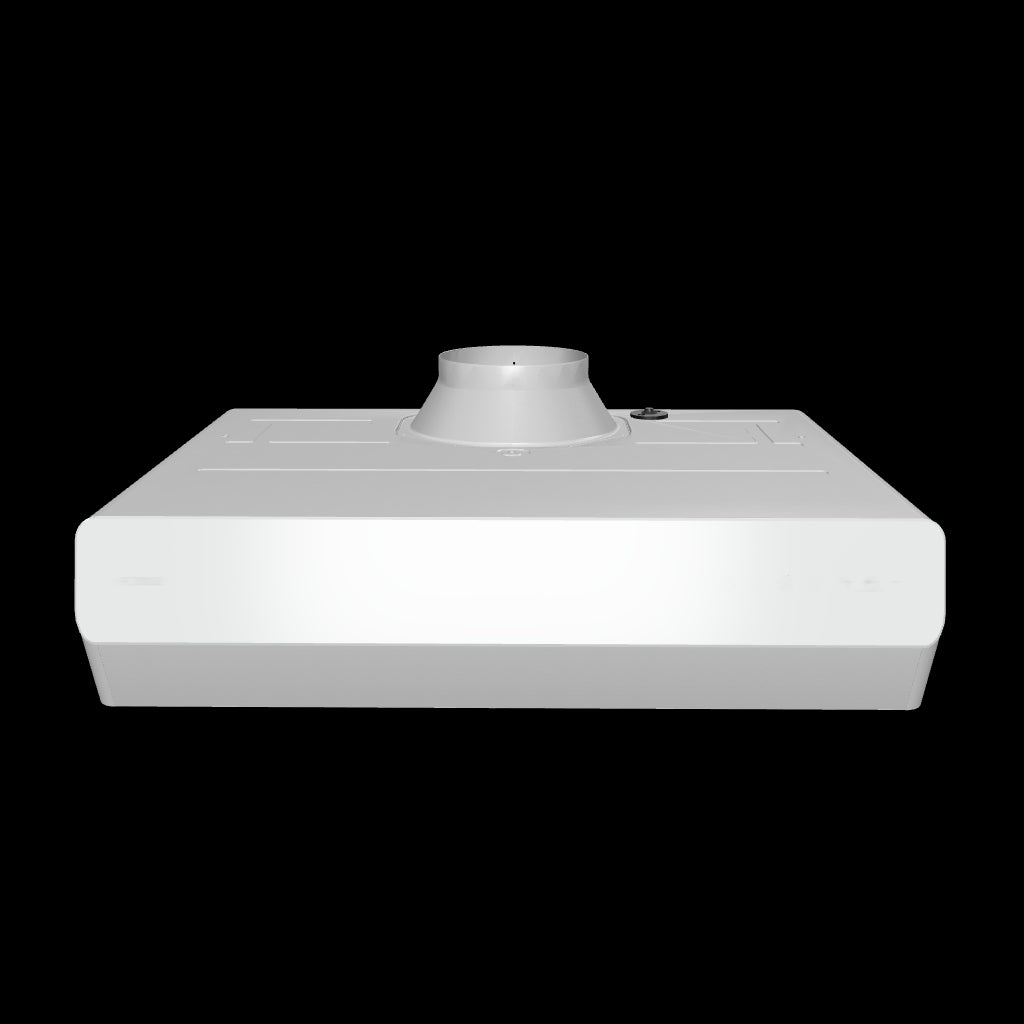


What Is a Recirculating Range Hood? How It Works

Cooking odors can smell delicious while you’re preparing a meal, but not when they linger for hours afterward. If your kitchen fills up with smoke, steam, or airborne grease and you can’t install exterior ductwork, a recirculating range hood may be the best solution.
So, what is a recirculating range hood? Here, we’ll explain how it works, when to use one, and how it compares to ducted options. Whether you’re remodeling or replacing an old hood, these insights from FOTILE can help you make the best choice for your kitchen.
When you're ready to upgrade, FOTILE’s innovative range hoods offer advanced filtration, quiet performance, and sleek design, so you can breathe easier every time you cook. Shop our full collection to find the perfect fit for your kitchen.
How Recirculating Hoods Keep Your Kitchen Air Clean
Unlike ducted hoods that vent air outside, recirculating range hoods use a filtration system to clean the air before releasing it back into your kitchen.
As you cook, the hood pulls in smoke, grease, and odors, passes them through grease and charcoal filters, and circulates cleaner air back into the room. This reduces lingering smells and airborne particles, keeping your kitchen fresher and more comfortable.
Components of a Recirculating Hood
A recirculating range hood uses several components to improve your kitchen air quality:
Grease Filters
These filters capture cooking oils and food particles before they can settle on your walls or cabinets. Typically made from aluminum or stainless steel mesh, they’re easily removable and washable to maintain their effectiveness over time.
Charcoal/Carbon Filters
After passing through the grease filter, the air flows through charcoal or carbon filters that absorb odors and trap smoke particles. These filters neutralize strong cooking smells and should be replaced every few months to stay effective.
Fan/Motor Unit
The fan draws in the air from your cooktop and pushes it through the filter system. A strong, quiet motor ensures consistent airflow, helping your hood clean the air efficiently without adding extra noise to your kitchen.
When Should You Use a Recirculating Range Hood?
When ducted ventilation isn’t practical or possible, a recirculating hood offers a flexible, low-maintenance alternative to improve your kitchen air quality.
A recirculating hood may be right for you if:
- Your kitchen doesn’t have access to exterior ductwork
- You live in an apartment, condo, or rental unit
- You want to avoid cutting into walls or ceilings
- You’re looking for a simpler installation process
- You need a ventilation solution for a kitchen island
- You prefer a quieter, energy-efficient option for light to moderate cooking
Pros and Cons of Recirculating Range Hoods
Recirculating range hoods can improve your kitchen air quality without the need for external venting. Like any kitchen appliance, they come with their own set of benefits and limitations:
Pros:
- Easy to install; no ductwork required
- Great for apartments, condos, and kitchens without exterior vents
- Energy-efficient; retains indoor heat
- Flexible design options for a wide range of kitchen layouts
- Reduces cooking odors and airborne grease
Contras:
Recirculating vs Ducted Range Hoods: What’s the Difference?
Both recirculating and ducted range hoods can clear your kitchen air, but they function differently. Here’s a quick comparison to help you decide which option best fits your kitchen and cooking style:
| Característica | Recirculating Range Hood | Campana extractora |
| Airflow (CFM) | Typically lower CFM; best for light to moderate cooking | Higher CFM; ideal for heavy-duty or frequent cooking |
| Odor Removal | Filters reduce most odors but may not eliminate all | Vents odors directly outside for more complete removal |
| Maintenance Requirements | Requires regular filter replacements (grease + charcoal) | Requires occasional duct cleaning and filter checks |
| Installation Cost/Complexity | Easier and less expensive to install; no ducts needed | Higher cost and more complex due to ductwork requirements |
How To Keep Your Recirculating Hood in Top Shape
By keeping your recirculating hood in good shape, it will perform better and last longer. Follow these tips to extend your range hood’s lifespan:
- Clean the grease filter regularly; check it every month, and wash as needed
- Replace charcoal or carbon filters every 3 to 6 months, depending on usage
- Wipe down the exterior to prevent the buildup of grease and dust
- Check the fan and motor area for blockages or debris
- Make sure the hood is installed securely and sits level for proper airflow
- Use the right fan setting for your cooking activity to reduce strain on the motor
Breathe Easier in the Kitchen with a FOTILE Range Hood
A recirculating range hood can make a big difference in how your kitchen feels: cleaner air, fewer lingering smells, and a more comfortable space to cook. Whether you’re upgrading an old system or outfitting a new kitchen, FOTILE’s high-performance range hoods can transform your space and help you love to cook again.
Shop our full collection of range hoods and find the perfect upgrade for your kitchen.
