


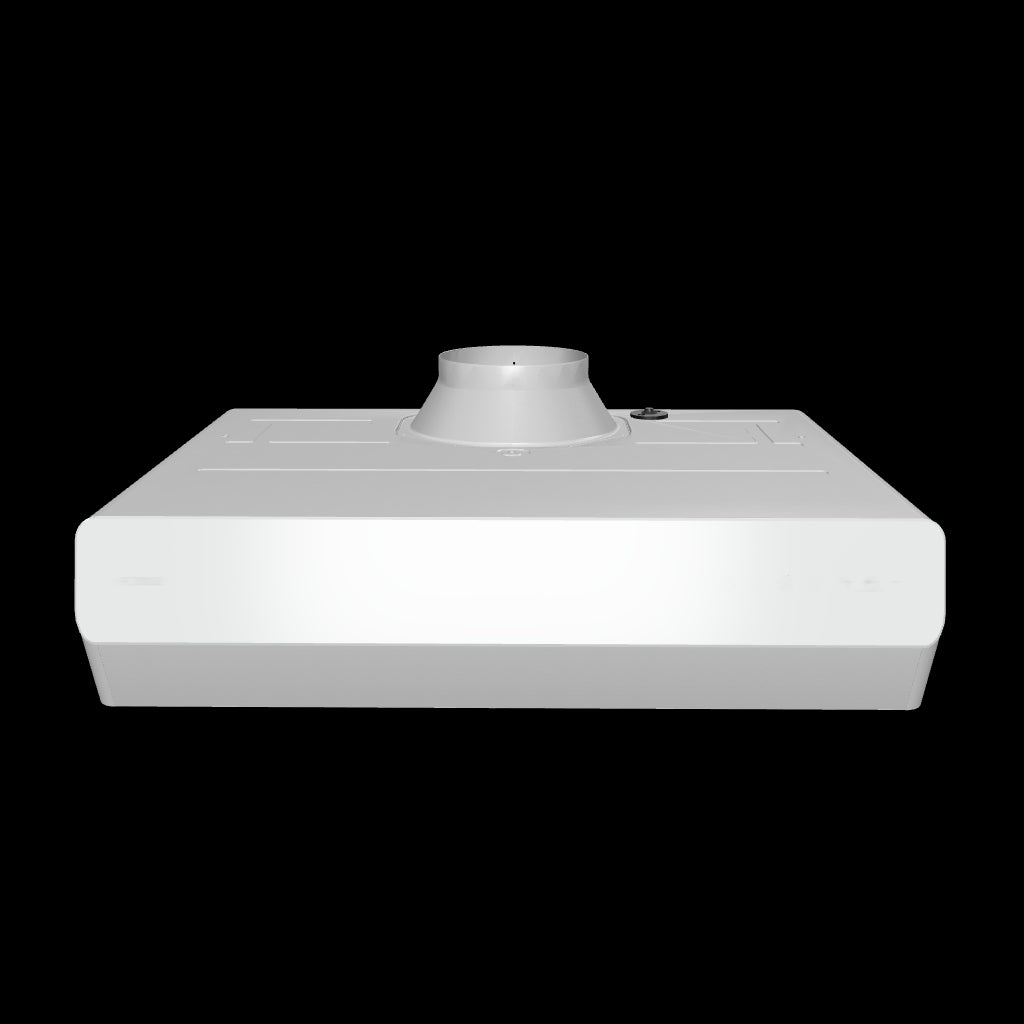


Cómo limpiar la campana extractora

If you've ever wondered how to clean a range hood, you've come to the right place. Oftentimes referred to as kitchen hoods or exhaust hoods, range hoods ventilate steam, smoke, and airborne grease, promoting cleaner household air while reducing the likelihood of fire from combustible gases and fumes, among other benefits. Needless to say, range hoods are essential to your kitchen.
Al mismo tiempo, los propietarios tienden a descuidar sus campanas extractoras, dejando que la grasa, el polvo y la suciedad se acumulen. Afortunadamente, nuestro equipo de FOTILE ha reunido todo lo que necesita saber sobre la limpieza de campanas extractoras en el siguiente artículo.
Mientras aplica a su campana extractora FOTILE las estrategias, los consejos y la guía paso a paso que le ofrecemos a continuación, le invitamos a que se ponga en contacto con nosotros si tiene alguna pregunta o consulte nuestra página de preguntas frecuentes sobre campanas extractoras.
Procedimientos de limpieza diaria de la campana extractora
Like any appliance, your range hood requires consistent cleaning to operate at peak performance. Although the following daily range hood cleaning procedures are ideal for slant vent range hoods, the same steps can be applied to a wide range of FOTILE models and designs.
1. Limpiar el capó exterior
La parte exterior de la campana extractora tiende a acumular grasa, sobre todo cuando se fríe o se cuece en la sartén. Afortunadamente, puedes mantener tu campana extractora libre de acumulaciones limpiando la superficie exterior con una toalla de papel húmeda, un paño o un trapo de cocina.
Pro Tip
To avoid leaving fingerprints or smear marks on your range hood, we recommend using stainless steel cleaner and wiping down any surfaces in the direction of the hairline finish. This method is effective for most but not all range hoods. If you're purchasing a new range hood, we recommend selecting models that feature an oil-free coating. In turn, you can quickly and easily wipe down surfaces without the need for heavy pressure or meticulous scrubbing. Each range hood within our FOTILE collection includes an oil-free coating for seamless, time-saving cleaning.

[Imagen de la toallita Clorox y toalla de papel]
2. Retire y limpie la bandeja de aceite
La bandeja de aceite de su campana extractora está diseñada para recoger el exceso de grasa y aceite. Con el tiempo, el líquido puede acumularse y llenar en exceso la bandeja, goteando sobre su horno. Después de cocinar, se recomienda retirar la bandeja de aceite con un movimiento horizontal de deslizamiento con las dos manos. Una vez retirada, elimine el aceite o la grasa acumulados. A continuación, coloque la bandeja de aceite en un recipiente con agua caliente, utilizando un jabón o detergente no cáustico. Después de 15 a 30 minutos, retire la bandeja, lave el exceso de residuos y colóquela en una rejilla de secado.


[Papel de aluminio]
Pro Tip
By adding aluminum foil to your oil tray, you can streamline the cleaning process. Simply line the bottom and edges of the tray with foil. Using scissors, cut away any excess foil hanging over the edges. The next time you clean your range hood, you can simply remove and replace the aluminum foil.
3. Retire y limpie el filtro
Each FOTILE range hood includes a state-of-the-art filter that resembles a grid. The best way to clean a range hood filter is to first remove the filter by placing your hands on each end and pulling downward. Next, use a non-caustic wipe or damp cloth to clean the filter. Be sure to wipe down the air inlet's exterior as well.

4. Vuelva a montar la campana extractora
Having cleaned the oil tray, filter, and range hood exterior, you're ready to reassemble your range hood. Make sure to thoroughly dry each component beforehand. Whether you're a home builder or homeowner, FOTILE offers a wide range of stunning, state-of-the-art range hoods. We invite you to explore our collection today.
Important steps
Procedimientos de limpieza profunda de la campana extractora
Incluso después de una limpieza diaria constante, todas las campanas extractoras necesitan una limpieza a fondo. Todas las campanas extractoras FOTILE están diseñadas para facilitar el proceso de limpieza en profundidad. Aunque los siguientes pasos están orientados a nuestras campanas extractoras de ventilación inclinada, los consejos y la orientación que se ofrecen a continuación pueden aplicarse también a otros modelos de campanas extractoras.
Pro Tip
At a minimum, we recommend deep cleaning your range hood semiannually. For families that cook frequently or use heavy oils, you may want to consider a more frequent deep cleaning schedule.
If you're already familiar with the first two steps of the daily range hood cleaning process, feel free to skip ahead to step 3.
1. Limpiar el capó exterior
Aunque el interior de la campana extractora es el lugar donde se acumula la mayor parte de la suciedad, la grasa y el aceite también pueden adherirse al exterior de la campana extractora. El vapor aceitoso, las salpicaduras de los alimentos que se fríen y se cuecen en la sartén, y la condensación de la cocción al vapor y la ebullición pueden depositarse en la campana extractora y formar una película grasienta. Afortunadamente, mantenerla limpia es una simple cuestión de limpiar la superficie con un spray multisuperficie y un paño, una toalla de papel o un trapo de cocina.
Pro Tip
If your range hood is stainless steel, you can prevent fingerprints and smear marks by using a stainless steel cleaner and wiping with the finish's grain. You can also plan ahead when purchasing a new range hood by selecting one with an oil-free coating, such as the range hoods in FOTILE's collection. These coatings wipe clean easily with no need to scrub or apply pressure.
2. Retire y limpie la bandeja de aceite
Though range hood oil trays are designed to catch grease and oil, cleaning them regularly prevents them from becoming too full and overflowing onto your cooktop. To remove the oil tray from your range hood, grasp it with two hands and slowly slide it horizontally toward you, keeping it parallel to the floor.
Pour pooled oil and grease into an appropriate container for disposal and submerge tray in warm water. Add lye-free soap to the water, stir it in gently with your hand, and let the tray soak for 15 to 30 minutes to loosen any stuck-on grease or oil. Wash the tray with more warm water and lye-free soap to remove residue and allow it to air-dry.
Pro Tip
Line the bottom of your oil tray with aluminum foil to make it easier to clean. Press the foil into the tray, using enough to line the sides, as well. Trim excess foil away from the edges of the pan with scissors. Now the next time you need to clean your oil tray, simply remove, discard, and replace the aluminum foil.

3. Retire y limpie la placa Captur-Shield
Para retirar la placa Captur-Shield, tire hacia abajo del borde delantero en ángulo con las dos manos. Con suficiente presión, la placa se soltará. A partir de ahí, puede colocar la placa en un recipiente caliente con solución de jabón o detergente no cáustico. Por último, utilice una esponja o un cepillo suave para eliminar cualquier residuo.


[Placa Captur-Shield]
4. Retire y limpie el filtro
The filters on FOTILE range hoods are held in place by two screws. We recommend unscrewing with one hand while holding the filter in place with the other. Once removed, place the filter in a basin of water with non-caustic soap or detergent. Afterwards, use a small, soft brush to get in-between the filter's grids and remove any excess residue.

[Filtro de campana extractora]
5. Reassemble the Range Hood
Once you have cleaned and dried each range hood component, we recommend reassembling the ensemble by first re-screwing the filter. Next, press the Captur-Shield Plate back into place. Lastly, reinsert the oil tray. The entire deep cleaning process generally takes 30 minutes or less for FOTILE range hoods. Of note, alternative brands may take longer depending on their build and complexity.
Safety and Maintenance Considerations
At FOTILE, your safety is our top priority. Please read and adhere to the following tips and guidelines.
- No coloque objetos húmedos cerca de los componentes eléctricos de la campana extractora, especialmente el interruptor de encendido.
- No utilice materiales de limpieza duros, como lana de acero o cepillos de alambre. En su lugar, utilice toallas de papel, esponjas o paños de cocina para evitar arañazos.
- Avoid using caustic cleaning products. Doing so can weaken, discolor, or even break your range hood components altogether. Instead, use neutral soaps and detergents for cleaning.
- Para mantener su campana extractora con el mejor aspecto y rendimiento posible, le recomendamos que limpie la superficie exterior, el exterior de la entrada de aire y el filtro después de cada uso. Asegúrese de volver a montar su campana extractora de forma segura después.
- Aunque la limpieza diaria y profunda mantendrá su campana extractora funcionando sin problemas, recomendamos solicitar un servicio profesional FOTILE cada 2 años o anualmente para los hogares que cocinan con frecuencia.
